

Incoming mission / Anchorage
Click the envelope to open your letter.
Dear Mission Designer,
Anchorage needs your eyes in space.
Map the glacier ice that survives the summer melt in the mountains east of Anchorage.
Choose how to observe the mission area from space. We need your first useful observations within 72 hours.
— Anchorage research team
Fictional educational mission request
Open the full flight brief and science sources
Mission control / priority uplink
● ACTIVE TRAINING SCENARIO
Glacier watch: Anchorage
This training scenario replays the end of the summer 2024 melt season in the Chugach Mountains east of Anchorage.
Why space? Choose how to observe the mission area from space. Your spacecraft must find useful observations and transmit them to the ground team.
Archived NASA imagery · not a live emergency · source & date ↗
Mission science, assumptions & data sources
What the mission models
Map the surviving glacier ice accurately and report it to scientists within 72 hours.
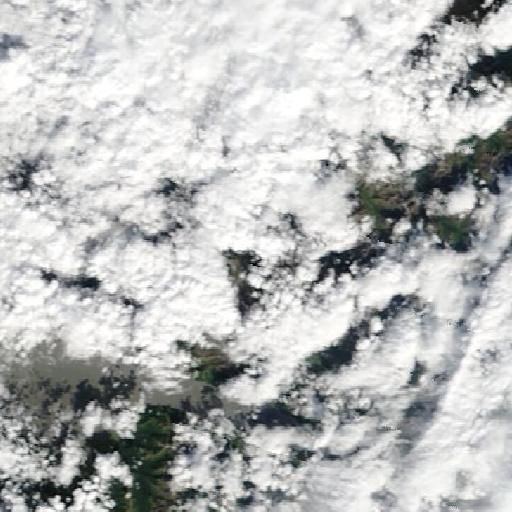
Clouds cover the mountains on most days, and fresh snow can look like old ice.
Results come from the deterministic simulation. Surface temperature is different from air temperature, and radar does not directly measure surface heat.
Source provenance
- NASA Terra MODIS NDSI snow cover (GIBS layer MODIS_Terra_NDSI_Snow_Cover) · NASA-observed reference · Hazard cells = cells where Terra MODIS NDSI saw snow/ice (NDSI >= 40) on at least two clear days during the end of the summer 2024 melt season (20 August - 9 September 2024), i.e. ice that survived the summer melt; top 12% by persistence. Ice is present from day 0. The hazard cut-off is a game choice.
- Mission: Possible cloud and detectability model · Educational model · cloudProbability (baseline 0.6 for this glacier setting) and detectability are seeded educational estimates, not observations.